




All over the internet, you’ll see claiming timeshares are a scam, but that isn’t the full story. Are timeshares scams, or are they just misunderstood? In reality, timeshares are a legitimate vacation ownership product used by millions of families worldwide. While scams do exist around the resale and exit space, the timeshare itself is not a scam. Like any significant purchase, understanding how timeshares work, the benefits they offer, and the terms of the contract is key to deciding whether it’s the right fit for your travel style.
Timeshare Ownership Isn’t a Scam.


Let’s make this part clear: timeshares are not scams. They’re a legitimate way to secure access to a lifetime of vacations. In fact, most timeshare owners report being satisfied with their timeshare. So if timeshares aren’t scams, what are they?
A timeshare is a type of vacation ownership. They were invented in the 1960s as a way for people to split the cost of a vacation home. Buying a cottage or a condominium in a resort destination is out of reach for most families’ budgets. By splitting that cost between multiple families, vacation homes became much more attainable. Eventually, hotel developers came up with the idea of splitting room ownership into individual weeks, and the modern timeshare industry was born.
The key thing to remember about timeshares is that they’re real estate transactions. In most cases, you’re actually purchasing a stake in a resort. You even get a deed! Whether you’ve got a fixed week timeshare, an allotment of vacation points, or a license to use a property overseas, you own something.
Timeshares Aren’t Scams, They’re Commitments
One of the reasons why some people think timeshares are scams is a lack of understanding of what they purchased. A lot of people assume that buying a timeshare is like booking a hotel room, when it’s actually much closer to buying a house or car. There’s a commitment involved. A lifetime of vacations means more responsibility.
If you bought a house, you wouldn’t let it sit abandoned for 51 weeks out of the year, would you? Most vacation home owners hire property managers or similar services that look after the property, keep it clean, and make necessary repairs. These services are baked into timeshare ownership through annual maintenance fees. These fees also cover property taxes, utility bills, staff salaries, and any updates made to the property.
Maintenance fees are crucial to keeping the resorts in the best condition. These fees are what make timeshares so memorable: they cover amenities like pools and private beaches, and help pay for the comfortable furniture and high-quality fixtures in your room.
Some people fail to account for these maintenance fees when buying a timeshare, or find themselves unable to afford or justify the annual cost. Unfortunately, you can’t just stop paying. It’s not like your Netflix subscription: defaulting on a timeshare can seriously impact your credit.
Are Timeshares Exits Scams?
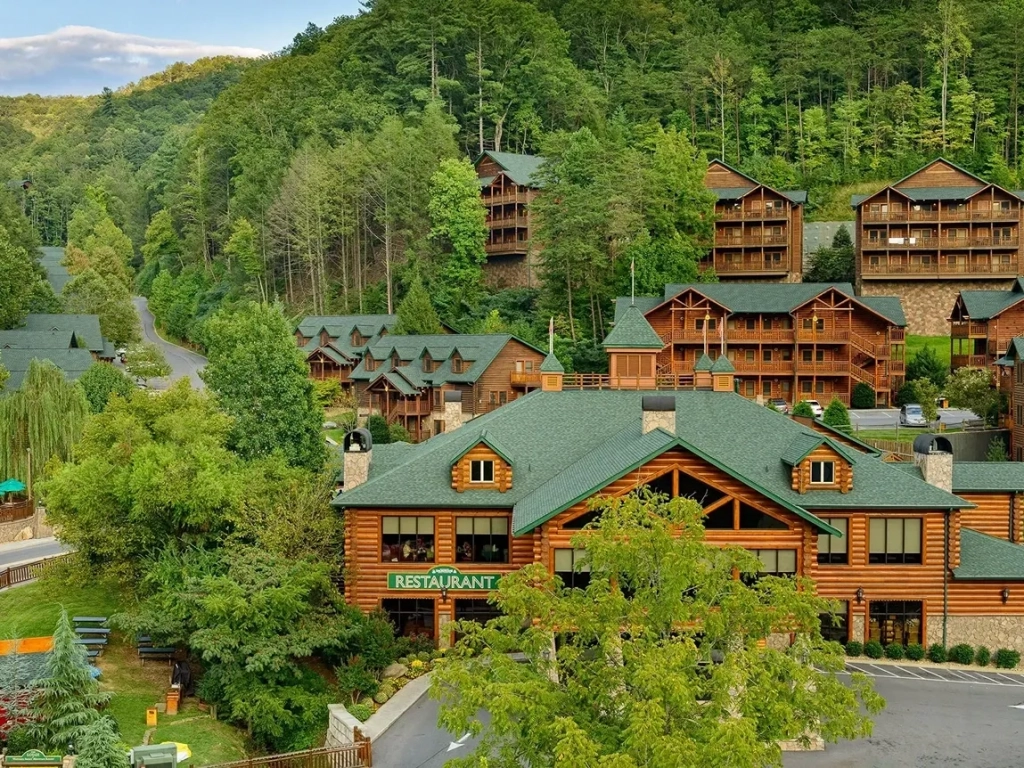

You see, while timeshares themselves aren’t scams, there are scams targeting timeshare owners. Especially those looking to exit.
Timeshare exit companies are probably the biggest scam in the timeshare industry. These companies aren’t affiliated with any resort or developer. Instead, they offer to handle the exit from your timeshare, often for an exorbitant fee.
The thing is, you don’t need to pay thousands of dollars to exit a timeshare. The American Resort Development Association (ARDA) offers tips on how to responsibly exit a timeshare, and none of them involve paying tens of thousands of dollars. In a best-case scenario, these companies simply take your money without doing anything. In other cases, they’ll tell you to stop paying your maintenance fees, which can lead to foreclosure. Not fun.
How to REALLY Exit a Timeshare
If you’re looking to get out of a timeshare, you don’t need to pay thousands of dollars. Here are some tips for responsibly exiting that unwanted timeshare.
- If you’ve just bought your timeshare: Check to see if you’re still in the rescission period for your contract. This allows you to cancel your contract without penalty. The rescission period lasts three to ten business days, depending on the state.
- If the rescission period has passed: Contact your developer. Developers on this list have responsible exit programs, but it’s worth contacting your developer even if they’re not listed.
- If your developer can’t help you: Transferring ownership of your timeshare (by selling it, gifting it, or giving it away) is your best bet.
Reselling Your Timeshare
Since timeshares are real estate, selling them is a bit more complicated than just making a Facebook Marketplace post and handing over the deed. There are contracts and fees involved, including ownership transfer fees and closing costs. So it’s a good idea to get help from people who know what they’re doing.
Are Timeshare Resellers Scams?
One thing to be aware of is that timeshare exit scams can disguise themselves as reseller companies. These fraudulent resellers usually charge upfront fees that often exceed several thousand dollars. Companies that demand massive upfront fees to sell a timeshare are scams, so be skeptical if you’re asked to pay up front.
Here’s the truth: selling your timeshare doesn’t cost thousands of dollars. If you use a service like BuyATimeshare.com to advertise, you’ll pay a fee, but nothing as exorbitant as what fraudulent companies charge. Real estate brokers, like us, make money on commission.
If you’re not sure whether or not a reseller is legitimate, check their reputation! A lot of timeshare resellers are not scams, and can legitimately help you exit responsibly. The American Resort Development Association, or ARDA, lists reputable resellers on its website. Your developer may also have a preferred reseller. Checking a reseller’s Better Business Bureau rating can also help you decide if they’re right for you.
Stay Informed!

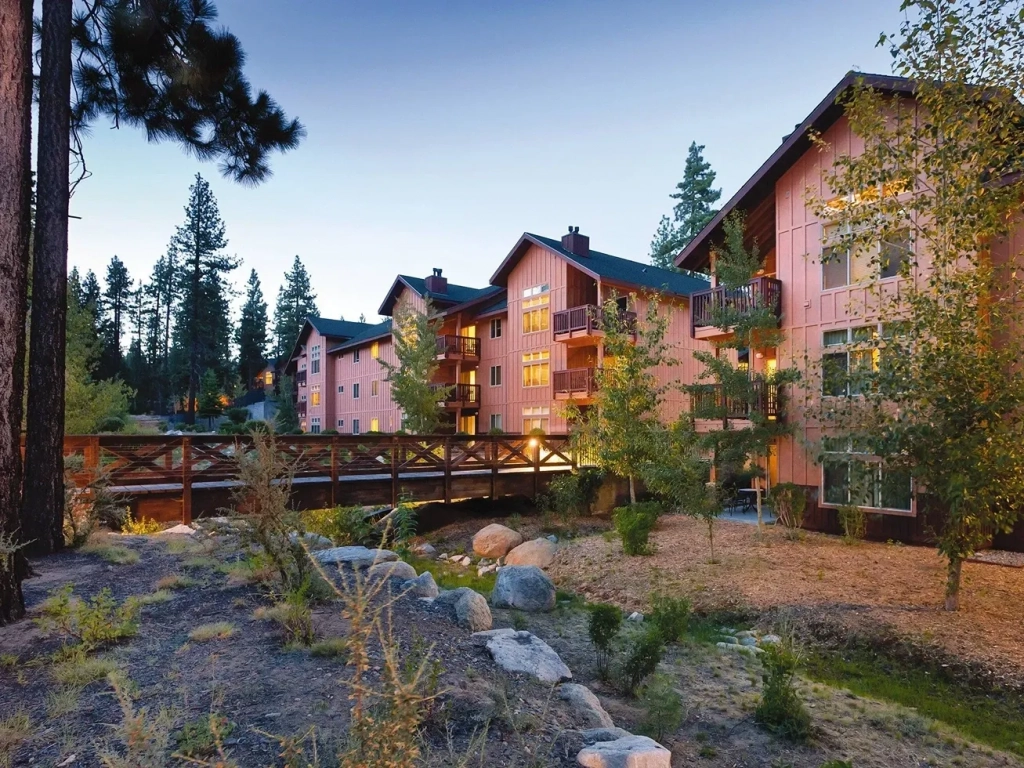
The best way to avoid a timeshare scam is to educate yourself on how timeshares work. For many families, timeshares are a way to save money on annual vacations, and can be a great value. However, you should do your research before you sign that contract, just like you should with any major purchase. Here are a few common timeshare pitfalls and how to avoid them.
Timeshare Presentations Are Sales Pitches, Not Scams
Many developers hold regular timeshare presentations, where they offer guests free hotel stays, attraction tickets, or other gifts in exchange for listening to a timeshare sales pitch. These are not scams. They are legitimate travel hacks, but they can also be high-pressure environments. Timeshare salespeople get paid on commission, so it’s in their best interest to make a sale. If you’re susceptible to high-pressure sales tactics, you may want to avoid these.
Before you attend, check the terms of your free gift. Developers are required to disclose things like blockout dates and limitations, so make sure the gift is actually worth your time. You should also note how long the presentation is advertised to be: you’re not required to stay any longer than necessary.
Finally, it’s best to only attend one of these presentations if you’re actually interested in the timeshare. They’re a great way to learn about the program, visit the resort, tour the rooms, and get a sense of whether a timeshare is a good fit. You’re under no obligation to buy anything, and you may even choose to buy later on the resale market. If you go in with no intention of even considering a purchase (perhaps because you think timeshares are scams), you’ll just have a boring afternoon.
Know Your Timeshare’s Terms
Depending on the type of timeshare you own, you might encounter limitations or restrictions that can catch you off guard. It’s important to review the terms of your timeshare, so you know exactly how, when, and where you can use it.
Fixed week timeshares can be used at the same location on the same week each use year. Some can be used only in even- or odd-numbered years, as specified in your timeshare agreement. Having limited use periods doesn’t mean timeshares are scams.
Floating week timeshares can be used on any week during a given season. These seasons are defined by the resort based on projected occupancy, and are usually denoted with metal levels. Timeshares that can be used during more sought-after seasons cost more money, so check your timeshare’s tier before you book.
Point-based timeshares are flexible, allowing you to book stays on a variety of dates and at a wide range of locations. However, stays during peak seasons or in premium accommodations can cost more points, and there may be other limitations.
Finally, some timeshare companies offer perks to people who purchase directly from the developer. Before buying into a timeshare, make sure you know exactly what benefits you’ll receive. You’ll get almost all the benefits of a timeshare when buying resale, but finding out that your new DVC membership doesn’t include lounge access can be disappointing.
Save Money by Buying Resale
If you’re interested in buying a timeshare, you can save thousands of dollars by buying on the resale market. Often, you can get a discount of over 50% off the retail price! Buying on the resale market is one of the top recommendations that seasoned timeshare owners give to prospective buyers, and it’s one of the most affordable ways to get into vacation ownership.
As we said above, some developers use added perks to entice potential customers to buy directly. These perks are nice to have, but they may not be worth the higher price. Ultimately, it’s up to you to decide what you value more: getting a great deal on a timeshare or securing those extra perks.
Are Timeshares Scams? Nope!
A timeshare can be a great way to create vacation memories while saving money on trips for years to come, but they’re not for everyone. That’s why our blog offers resources to potential buyers, all aimed at helping you determine if a timeshare is a good fit for your vacation lifestyle.
If you’re interested in buying a timeshare on the resale market, we can help. Our marketplace lists timeshares from all the biggest developers, including Disney, Hilton, Marriott, and Wyndham. Wherever you want to vacation, there’s likely a timeshare out there for you.
Sell With Us!
Looking to sell your timeshare? Don’t spend thousands of dollars on an exit company. Let us help instead. Timeshare Broker Associates is one of the most trusted names in vacation resales. We operate under the strictest regulatory requirements in the industry, and have decades of experience helping owners like you responsibly exit their timeshares. Want to get started? Email us at [email protected], or give us a call at (407) 917-8432. We’re here to help!