




Thinking of jumping into the world of timeshare ownership? Timeshares can be an exciting addition to your vacation lifestyle, but they’re not something you should jump into blindly. In this guide, we’ll go over what to expect as a timeshare owner, from making use of the property to handling those yearly fees.
Timeshare Ownership 101

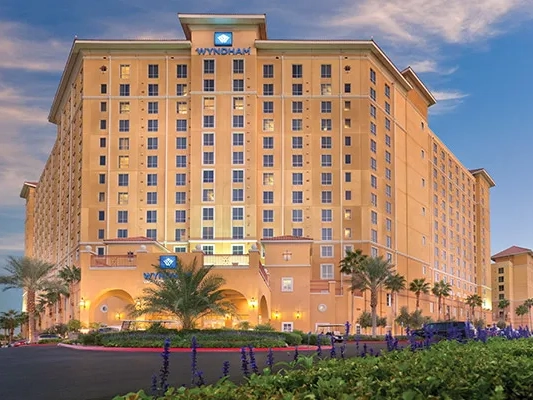
There are many different vacation ownership models, so we recommend clicking the link and familiarizing yourself with them before going much further. However, regardless of the specific model, there are some common threads with timeshare ownership.
When you own a timeshare, you are buying an ownership interest in a property. This can be a literal deed, a lease, or simply the right to use the property. Regardless, you’re contractually tied to that property until you exit the contract. Some contracts have expiration dates, but timeshares are generally lifetime commitments. In exchange, you have the ability to stay at a resort property for, on average, one week per year.
Timeshare properties feature resort-style amenities like pools, on-site dining, and fitness centers. They may be attached to a larger resort with even more amenities, like casinos and spas. Accommodations are also larger and closer to condos and studio apartments than traditional hotel rooms. They often have full kitchens, balconies or patios, and in-unit laundry. They’re the best of both worlds when compared to traditional hotels and vacation homeownership, making them a popular choice for frequent travelers.
Pros of Timeshare Ownership
- Regular Vacations: Timeshares represent guaranteed vacations, allowing you to stay at high-end resorts year after year.
- Better Rooms: Timeshare villas and studios are larger and better appointed than traditional hotel rooms. They combine the space and comfort of a vacation home with the amenities and convenience of a resort.
- Long-term Savings: Compared to annual hotel fees, timeshare ownership can be cheaper in the long term. You’ll often see savings over a ten-year period, making them a strong choice for people who travel annually.
Cons of Timeshare Ownership
- High Upfront Costs: Buying a timeshare can be expensive, especially when purchasing from the developer. Depending on the timeshare in question, it can take years for timeshares to catch up to regular hotel bookings in savings. It does happen, but it doesn’t necessarily happen quickly.
- Ongoing Fees: Timeshares come with annual maintenance fees that cover property taxes and utilities. Combine that with exchange fees and special assessments, and the extra cost can add up.
- Timeshares Are Forever: Many timeshares have perpetuity clauses, meaning they never expire. Even those that do expire have expiration dates decades away. Once you’re in, you’re in for the long haul.
Using Your Timeshare
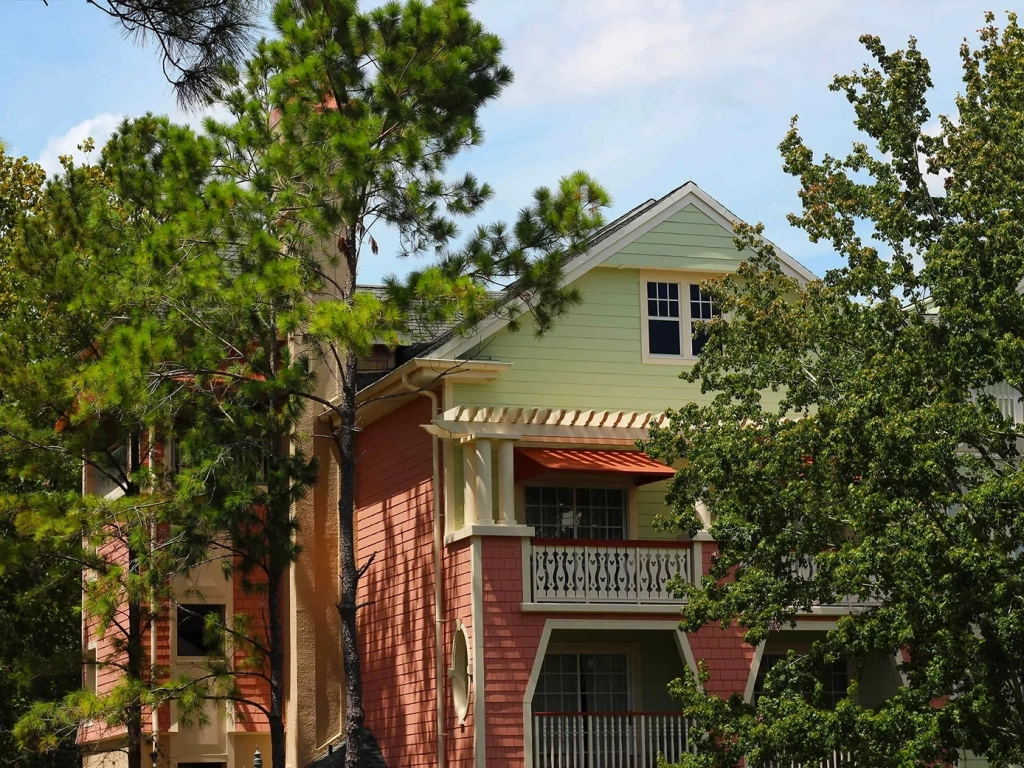

The way you use your timeshare depends on its use model. For fixed week timeshares, you simply need to show up at the resort on your scheduled week. For floating week and point-based timeshares, you’ll need to schedule your stay in advance. This is where new timeshare owners can run into a little trouble, since it’s a different process from booking a traditional hotel.
Home Resorts and Booking Windows
If your timeshare ownership allows you to stay at multiple resorts, you likely have a home resort. This is typically the resort you have an ownership stake in, and is usually where you bought your timeshare. Your home resort determines several important elements of your timeshare ownership, including when you can book a stay.
Vacation clubs give members priority booking at their home resort, often allowing them to book stays a year in advance. This is to incentivize buying at a resort you like and to provide parity with fixed-week timeshares. However, it also adds some complexity to point systems.
When taking advantage of a priority booking window, you usually can’t mix points associated with different properties. It’s common for resale owners to buy points from a variety of sources to expand their vacation options, but many vacation clubs put limits on when you can stay outside your home resort. For instance, if you own 150 Disney Vacation Club points at Copper Creek and 200 at Old Key West, you can’t combine your points for advanced booking at Old Key West. You are limited to the points associated with that resort until you reach the general booking window. Afterwards, you can combine them freely.
Seasons
Unlike hotel rooms, timeshares don’t have dynamic pricing. Instead, resorts divide the year into multiple seasons based on historical demand. Timeshares that allow you to stay during peak season are usually more expensive. Fixed-week and floating-week timeshares have a higher upfront purchase price, while points systems charge more points for stays during peak seasons.
Seasons vary between timeshare properties, even in the same vacation club. They are also not necessarily consecutive or of the same length. For instance, Disney Vacation Club resorts in Orlando have seven seasons, with lengths ranging from one week to multiple months. Some of these seasons repeat, with weeks of high demand popping up amid slower seasons. In contrast, resorts like Tahiti Village in Las Vegas have only two seasons: one for the week of Christmas and one for the rest of the year.
Seasons are planned in advance and announced on the resort’s website via seasonal or points calendars. They don’t reflect dynamic changes in demand due to special events or weather conditions, so the value will vary. Checking the points chart is an important element of timeshare ownership, so make sure to factor it into your plans.
Member Benefits
Some timeshares come with additional perks and benefits. These include things like member lounges, exclusive excursions, and discounts on select services. These benefits are usually reserved for people who buy points from the developer, as an incentive to compensate for the higher price. Resale points are anywhere from 30-100% cheaper, but don’t retain these perks.
In many cases, these perks are nice to have, but not necessary. However, in some cases, they can radically change how you can use your timeshare. For instance, Club Wyndham allows you to use directly purchased points at Worldmark properties, effectively expanding the list of affiliated resorts.
It is possible to combine resale and retail points to access certain member benefits at a discounted price. For example, you only need 150 retail points to qualify for Disney Vacation Club points. It doesn’t matter where you get your other points. However, much as with home resorts, you may not be able to apply all your perks to resale points.
Vacation Exchanges
Vacation exchanges, such as RCI and Interval International, are available to all timeshare owners, including resale owners. These timeshare exchange programs allow you to convert your timeshare to vacation points. These points can be used to book stays at other timeshares and at select non-timeshare resorts. You can also use these points to book cruises, flights, and tours.
Using an exchange company typically isn’t free. You’ll need to pay for membership, in addition to paying exchange fees. Some timeshares have special relationships with these exchanges, so check your ownership portal for more details.
Ongoing Costs of Timeshare Ownership


While many timeshare owners love being able to travel year after year, it’s pretty safe to say that no one is a fan of annual dues. However, contrary to what some may say, these annual dues aren’t just an attempt to squeeze timeshare owners for extra money. Timeshares are real property, and you’ve got to keep up with the associated costs.
Annual Fees
Timeshares are a type of vacation property, so they’re subject to the same costs and fees. You’d encounter similar annual fees if you had a vacation home managed by a third-party company in an HOA. These include, but are not limited to:
- Property taxes
- Utility bills
- Maintenance and repairs
- Employee salaries
- Fees for shared amenities
Timeshare companies consolidate these fees into an annual, semiannual, or quarterly bill. The average annual maintenance fee for a timeshare is around $1,000, but fees can increase yearly. In the interim, they’re essentially loaning you the money to cover these financial obligations, with your timeshare as the collateral. If you default on your annual maintenance fees, ownership reverts to the developer.
Some people, particularly on forums like Reddit, claim that defaulting on your timeshare is a good way to get out of your contract. It’s really not. While it will get you out of the contract, it’ll also damage your credit for years. It doesn’t necessarily free you from financial obligations either: depending on the jurisdiction, you may still have to pay any debts that weren’t resolved by the foreclosure. Ouch.
Ultimately, annual maintenance fees are a fact of life for any property ownership structure. They’re not fun, but they’re important for keeping your vacation home in top condition. Prospective buyers should consider maintenance fees in their value assessments and only proceed with the purchase if they’re comfortable covering them for the foreseeable future.
Special Assessments
Special assessments are different from annual dues. These are extra fees levied on timeshare owners for one-time expenses not covered by the regular budget. These usually include major repairs and renovations, infrastructure upgrades, and improvements to the property.
Special assessments can happen at any property, but they’re more common at older, legacy resorts. These older properties are more likely to need special repairs, and may levy special assessments to cover new furniture and fixtures. They shouldn’t be an annual occurrence, but you should still be prepared. Consider having an extra year’s worth of maintenance funds in reserve, just in case.
Renting Your Timeshare
If you’re having trouble covering your maintenance fees due to financial hardship, consider renting out your timeshare. Because timeshares are real estate, timeshare owners are free to rent them out like traditional vacation properties. You can use this rental income to help cover your annual maintenance fees or to fund alternative vacations.
Exiting Timeshare Ownership

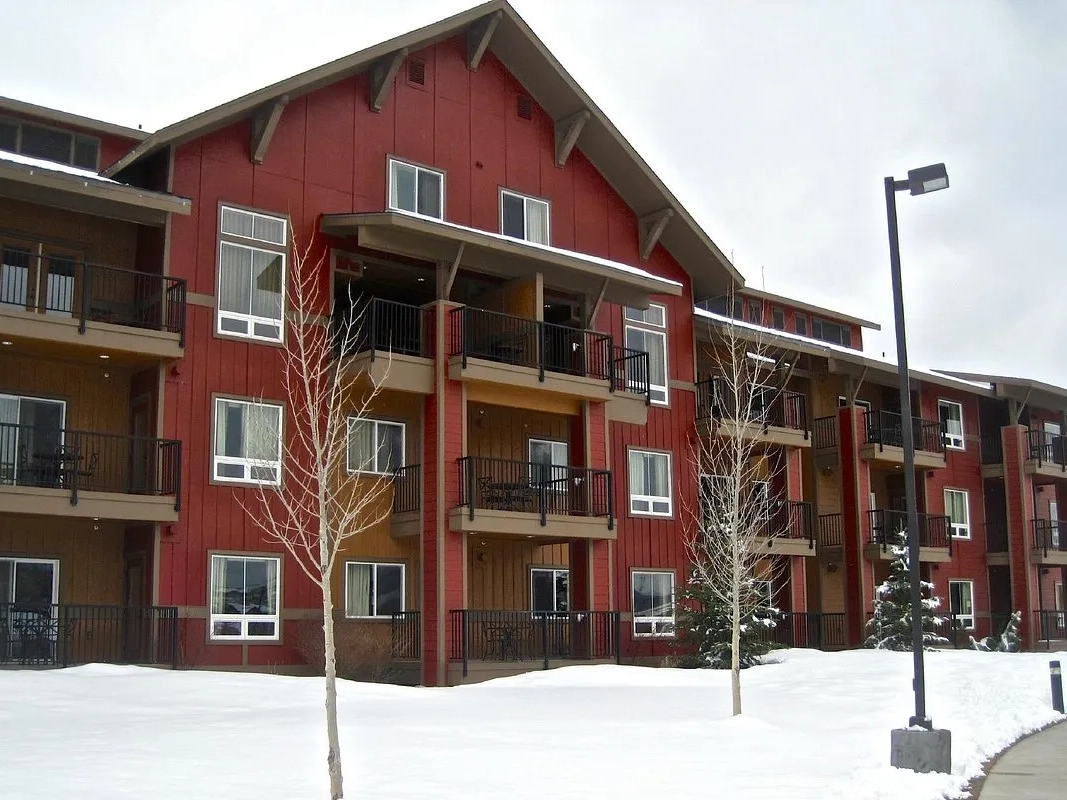
There will likely come a time when vacation ownership no longer fits your lifestyle. Perhaps your children have graduated, or health issues make it difficult to travel regularly. Regardless of the reason, it’s a good idea to have an exit strategy in mind. Deeded timeshare contracts have perpetuity clauses, so exiting your timeshare ownership isn’t as simple as cancelling your Spotify subscription. As many owners have learned, the road to exiting your timeshare can be a long one.
If you’re a prospective buyer, we recommend setting a soft exit date: a time when you expect you’ll no longer get the same use out of your timeshare ownership. This usually centers on an expected lifestyle change, such as reaching a milestone age. If you bought your timeshare for your family, for instance, you might set your soft exit date for when your children are all adults. Soft exit dates are flexible: if your circumstances change, you can move them forward or back as needed. Just try to get your money’s worth out of the timeshare first.
The benefit of a soft exit date is the peace of mind it provides. If you know when you plan on exiting, you can begin looking into your options without the burden of financial pressure. Waiting until you face a sudden lifestyle change or a shift in finances can be stressful. By putting a soft cap on your timeshare ownership, you can enjoy your vacation time while giving yourself some breathing room. But how do you actually get out of a timeshare?
Internal Exit Programs
Your first option when exiting a timeshare should be to contact the developer. Timeshare companies may have internal programs designed to help owners safely exit their timeshares. For instance, they may have a deed-back program, which allows you to simply return the timeshare to the developer. They might also have an internal buyback program, in which they purchase timeshares to reclaim inventory.
One option is to turn to our partners at Vacation Club Solutions. This is a developer-backed and industry-supported service that connects current owners with developer buyback programs. You simply fill out a questionnaire with information about your timeshare. If you qualify for a buyback program, you’ll be connected with a licensed agent. Otherwise, you’ll be referred to a trustworthy resale service, like Timeshare Broker Associates.
Not every timeshare offers an internal exit program. In fact, many don’t. In those cases, your best option is to turn to the resale market.
Timeshare Resale
Timeshare resales are an effective way to exit your contract, and can help you recoup some of your money. Full disclosure: you likely won’t make a profit. Timeshares are not financial investments, and almost always sell for less than the initial purchase price. Here at Timeshare Broker Associates, we list timeshares for prices as low as a single dollar. However, it is a safe, secure, and legal way to get out of a timeshare contract.
Once you list your timeshare on our marketplace, our licensed agents will work with you to find a fair market price and connect you with a buyer. Selling timeshares can take time, so don’t expect instant results: you’ll still need to pay for annual maintenance fees during the sale process. However, once the closing process is complete, you’re freed from any obligations. No more annual dues!
Identifying Scams
When researching your exit options, you may run into timeshare exit and resale scams. These are companies that promise to help you exit your timeshare contract with too-good-to-be-true results, but are really just after your money. Here are some red flags to look out for.
Common timeshare scams include:
FAQs
Ready for Timeshare Ownership?
If you want to buy a timeshare, you should buy one on the resale market. Timeshares on the resale market are considerably cheaper than buying from the developer. You still get the same accommodations and perks, but at a fraction of the cost. So if you’re ready to dip your toes into the world of vacation ownership, we can help! Just click the button below to start browsing listings today.
Looking to Sell Your Timeshare?
If you’re ready to exit your timeshare, you’ve come to the right place. Our team of licensed real estate experts has decades of experience helping timeshare owners like you safely and securely exit their contracts. To get started, just fill out the form below, or call us at (407) 917-8432. We’re looking forward to helping you.
Ready To Sell Your Timeshare?