




Curious about the difference between fractional ownership vs timeshare? While these two vacation ownership models have much in common, key differences set them apart. Here’s the short version: in its most basic form, a timeshare splits ownership of a unit among a large number of people. Each owner has access to the property for a set period each year, determined by their ownership stake. Fractional ownership works the same way, except the pool of owners is much smaller. Fewer owners mean larger shares and greater access to your property, but at a higher proportional cost. Curious about which one is right for you? Here’s how each model can fit into your vacation ownership goals.
- Fractional Ownership vs Timeshare: The Basics
- Timeshares: The Flexible Vacation Option
- What Is Fractional Real Estate in Fractional Ownership vs Timeshare?
- Fractional Ownership vs Timeshare: A Direct Comparison
- Which Is Right for You: Fractional Ownership vs Timeshare?
- Ready to Secure Your Next Vacation With Fidelity Real Estate?
Fractional Ownership vs Timeshare: The Basics
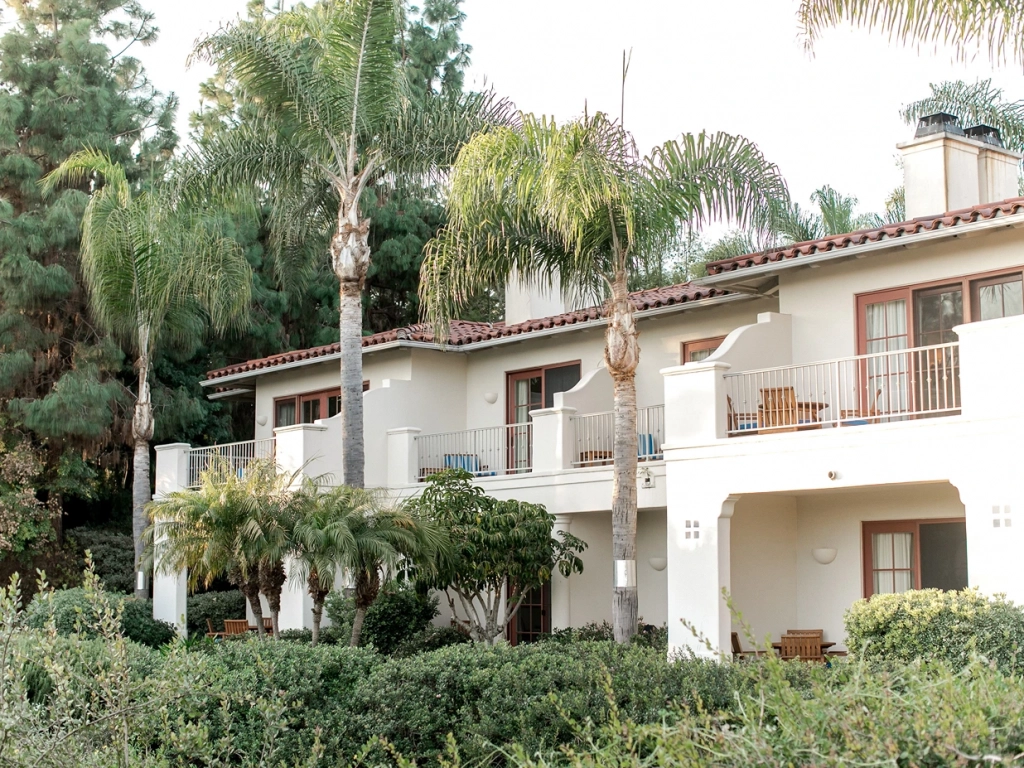

Timeshares can seem complicated on the surface, with all the different point systems and ownership models. However, they all fundamentally work the same way. When you buy a timeshare, whether that’s a deeded week or an alottment of points, you’re buying an ownership stake. This stake either grants you partial ownership of the property, or the right to use that property, depending on the specific timeshare. Either way, there is a ‘thing’, tangible or abstract, that you own a part of.
Other people own stakes as well, and everyone has access to the property for a set period, based on their stake. You’re literally sharing your time at the property, hence the name. Traditionally, each stake represents a week of access to a specific unit, so you’re sharing your ownership with up to 51 other people. In theory, you could buy multiple weeks, expanding your ownership stake and granting you further access to the property.
Fractional ownership works like a timeshare, except the ownership stakes are proportionally larger. Instead of sharing a property between 52 people, there may be as few as four owners for a given unit. Bigger stakes mean more access, but also more responsibility.
That’s the broad-strokes overview, but there are some more nuanced differences to keep in mind. Here are just a few of them.
Timeshares: The Flexible Vacation Option

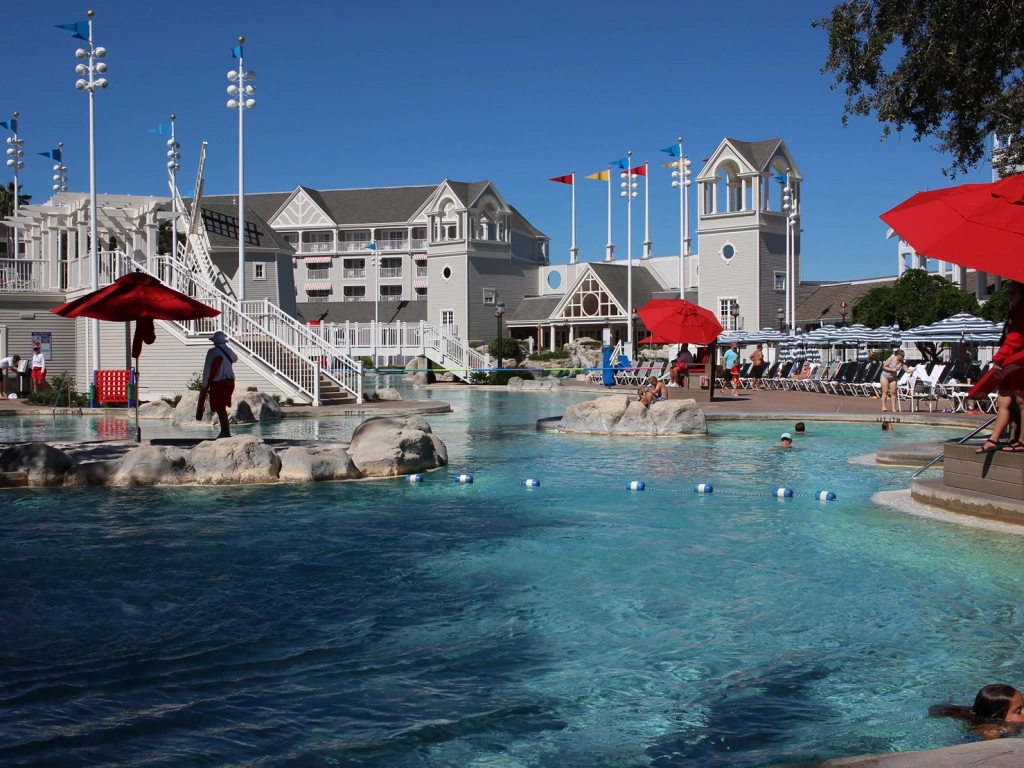
While some timeshares still use the traditional 52-week model that’s been around for decades, many modern timeshares adopt a more flexible approach. Instead of owning a week at a specific property, you get an allotment of points that allow you to stay at multiple properties in that brand’s portfolio.
This gives you more control over your vacations. You can choose when, where, and how long you want your vacation to be. Can you only get away for the weekend? Not a problem! Need to book a two-week getaway? As long as you’ve got the points, you can do it. You can even save or borrow points between years with many vacation clubs.
What Are the Benefits of Timeshare Ownership?
Even if your timeshare uses a traditional, week-based model, there are some major advantages to timeshare ownership. Timeshares combine the space and fixtures of a vacation home with the amenities and location of a luxury resort. They often come with full kitchens and baths, making them feel more like condos than hotel rooms. However, the upfront price of a timeshare is much lower than that of a condo, and the flexibility of modern vacation clubs means that you’re not locked to a single destination.
What Are the Drawbacks of Timeshare Ownership?
Because you have an ownership stake in a timeshare, you also have an owner’s responsibility. You pay for property taxes, upkeep, utilities, and all the other overhead costs of real estate ownership. These fees are covered by the developers and then assessed to each owner as annual dues and maintenance fees. These fees increase over time due to inflation and other economic factors, and they never go away. As long as you own the timeshare, you’re responsible for those fees.
Timeshares also tend to depreciate in value over time. There’s simply more supply than demand, and most sellers are looking to exit their contracts rather than to turn a profit. It’s better to think of a timeshare as a luxury product: a lifestyle investment, rather than a financial one.
What Is Fractional Real Estate in Fractional Ownership vs Timeshare?


Like a timeshare, fractional ownership involves buying an ownership stake in a piece of real estate. Unlike a timeshare, however, this ownership stake is more tangible. For starters, fractional owners typically own a tangible stake in a property. You don’t own an abstract set of points: you own a stake in a specific property somewhere, complete with a deed.
Your ownership stake is also much larger. Fractional properties typically cap ownership at 12 people. Often, there can be as few as four owners. This means that you have more proportional access to the property: four weeks or more in many cases. These aren’t necessarily consecutive weeks either: you might have access for a week every month, or a similarly staggered arrangement.
What Are the Advantages of Fractional Ownership?
Fractional ownership gives you amazing access to ultra-luxury homes. You split the high purchase price and upkeep costs with just a few other people.
- Longer usage periods allow for extended getaways.
- A professional property manager handles all maintenance and repairs.
- Because you hold a deeded share, the property might appreciate over time.
According to Investopedia, this arrangement allows buyers to access high-value assets without bearing the full ownership costs. This setup makes high-end real estate surprisingly attainable for many families.
What Are the Disadvantages of Fractional Ownership?
A larger ownership stake means more financial responsibility. There’s a higher upfront cost, and proportionally higher annual fees. It’s still not as expensive as owning real estate outright, but it’s definitely a luxury product.
Fractional ownership is also less flexible than other timeshares. It’s like owning a condo: barring some sort of special arrangement or exchange, you can only stay at that location. If you prefer variety in your vacations, this may not work out.
Finally, you don’t have as much control over a fractional ownership as you would over a vacation home. You can’t change the furniture or decor, which can be awkward if you’re spending up to a quarter of the year at that property. Timeshares also have this issue, but the shorter, less frequent stays make it less of an issue.
Fractional Ownership vs Timeshare: A Direct Comparison


Let’s compare the two options side by side. Deciding which one works for you depends heavily on your vacation habits and your overall budget.
How Do Flexibility and Usage Compare for Fractional Ownership vs Timeshare?
When it comes to flexibility, timeshares offer more location variety. With a points-based system, you can visit dozens of resorts worldwide for about a week per trip. In contrast, fractional ownership ties you to a single luxury residence, but you get to spend much more time there each year.
What Are the Financial Considerations for Fractional Ownership vs Timeshare?
Timeshares have a much lower upfront cost, making them a budget-friendly way to secure annual vacations. It’s important to remember that timeshares are a lifestyle purchase, not a financial investment. In contrast, fractional ownership demands a larger financial commitment, including a higher initial payment and more substantial annual maintenance fees.
What Is the Ownership Structure for Fractional Ownership vs Timeshare?
Fractional ownership provides you with a real estate deed, meaning you own a tangible share of the property. The ownership structure for timeshares can vary. Some provide a shared deeded contract, while others are “right-to-use” leases in which the developer retains the property deed.
Which Is Right for You: Fractional Ownership vs Timeshare?
Both options offer unique pathways to memorable getaways. Timeshares provide an affordable way to travel to a diverse portfolio of resort locations, making them an excellent choice for consistent family vacations. In contrast, fractional ownership is better suited for buyers who desire extended stays in a specific, high-end property. To make the right decision, you must carefully evaluate your budget, travel frequency, and preferred destinations.
Ready to Secure Your Next Vacation With Fidelity Real Estate?
If you’re ready to explore timeshare resales, Timeshare Broker Associates is here to help. Our dedicated team of licensed agents provides expert support to ensure a smooth transaction from offer to close. We offer trusted guidance every step of the way. We never charge upfront fees for sellers and walk buyers through every detail with clarity. Browse our extensive resale listings today to compare properties and find the best value for your family. Contact us now at (407) 917-8432 to secure an amazing deal for your next getaway.