




Can a timeshare be a good deal? Absolutely, if you know what you’re doing! By buying on the secondary market, you can lock in a lifetime of unforgettable vacations at a fraction of the retail price. Here’s how to take advantage of these timeshare vacation deals and tips on how to turn vacation ownership into your ticket to experiencing great adventures.
Understanding Timeshare Vacation Deals: The Presentation

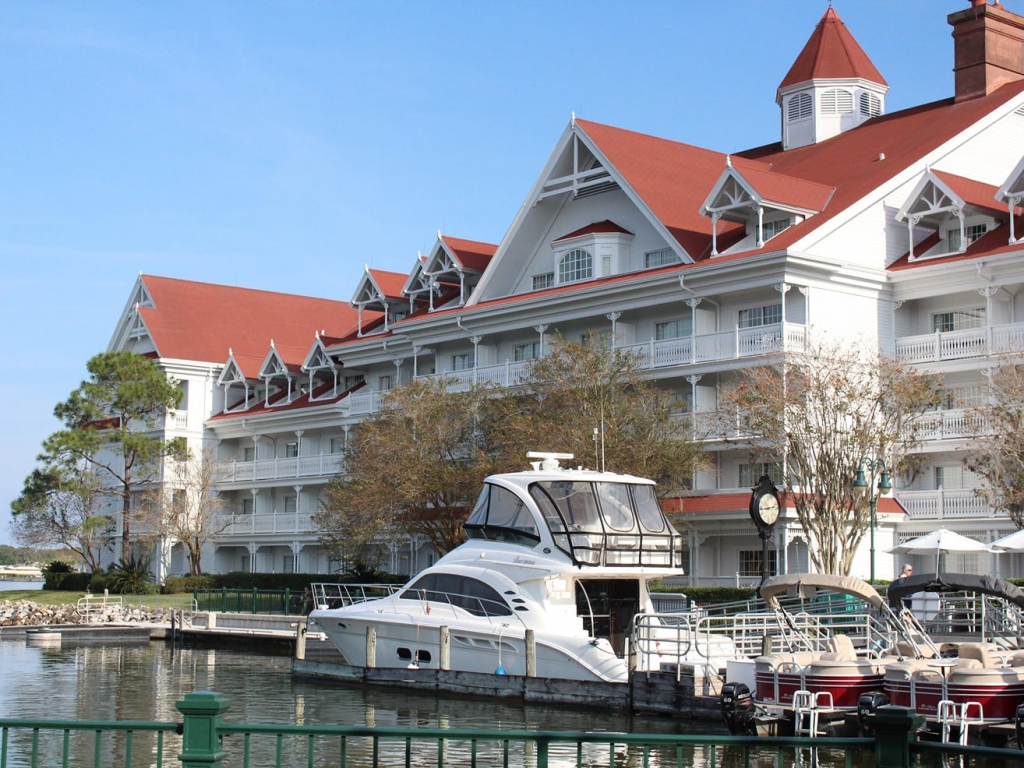
If you’ve ever even considered going on vacation, you’ve probably encountered a timeshare presentation. In exchange for attending a two-hour timeshare presentation, you can get discounted hotel accommodations, attraction tickets, gift cards, and other rewards. But are these sales presentations actually a good deal? That depends!
Taking Advantage of Timeshare Presentations
There are two ways you’re likely to encounter a timeshare presentation. The first is through a timeshare vacation package. You might find these on hotel websites or promoted through official resort channels. These timeshare vacation deals let you stay at a resort for a discounted price in exchange for attending a two-hour timeshare presentation.
These are legitimate ways to visit popular vacation destinations while saving money. However, it’s important to know what you’re getting into before you attend. Do your research before you arrive, and especially before signing on the dotted line.
Check The Details
Before you attend a timeshare presentation, you should know every detail. These include:
- The name of the development company
- The name of the resort
- The reward (or premium, in official terms) you’ll receive for attending
- Any limitations on the premium, such as blackout dates
- How long you need to attend before qualifying for the premium
Reputable developers will have all of this information listed somewhere accessible, usually under a title like “details of participation.” This is required by the American Resort Development Association (ARDA), the self-governing body for the timeshare industry. If you can’t find this information, ask a representative to direct you to it.
You’ll also want to check whether you’re actually eligible for the deal. To qualify for promotional timeshare offers, applicants often need to meet specific income and marital status requirements, such as a minimum income of over $50,000. Timeshare salespeople want to recruit families and couples, because they’re more likely to buy. If you don’t meet those criteria, you might not be able to get the deal you want.
Think Before You Click
When you purchase a timeshare vacation package, your discounted rate is usually contingent on attending a two-hour timeshare presentation. The length may vary, but you’ll only get that rate if you attend, and they may require your partner to attend if you’re travelling as a couple. If you don’t attend the presentation, you’ll be charged the undiscounted price of your stay to the credit card on file.
Before accepting a deal like this, do some research. You may find a lower rate published online for the same (or a similar) resort that doesn’t require attending a timeshare presentation. You may also be able to rent a timeshare through a service like BuyATimeshare.com. If you rent a timeshare, you’re not required to attend a presentation, though you may still be invited.
Don’t Fall for High-Pressure Sales Tactics
Timeshare developers usually aren’t in the business of scamming people. The companies behind major resort chains like Wyndham and Hilton are the same timeshare developers hosting these presentations. Timeshare salespeople aren’t in the business of scamming people, but they’re fallible humans paid on commission and may push the boundaries of the rules to secure a sale.
First, don’t fall for false urgency. Businesses across industries love to frame things as limited-time offers, hoping to capitalize on FOMO. They’ll say an offer is only available that day, or that things are selling out, or that you’ll regret it if you walk away. Usually, that’s not true: the deals will still be there later, and you may even find better details when shopping online.
Some salespeople might try to extend the presentation beyond the posted times. This is why checking the details of participation is so important. Once you’ve met the attendance requirement, you’re free to leave. The salespeople may try to keep you a bit longer, but you’re not obligated to stay. Say you have another obligation, ask where to pick up your reward, and excuse yourself.
Should You Buy a Timeshare From the Developer?
Buying a timeshare from a reputable developer can secure you a lifetime of vacations, but is it a good deal? That depends. Developers like to offer perks and incentives to attract potential buyers, but buying from the developers can be expensive. Often, you can save money by buying a timeshare on the resale market. It’s ultimately up to you to determine whether the developer incentives are worth it. However, if you’re interested in buying a timeshare on the secondary market, read on.
Finding Timeshare Vacation Deals on the Resale Market


By buying timeshares on the resale market, you can save 70% or more off the retail price. In some cases, you can even find timeshares for as low as $1! But are these a good deal, or too good to be true?
Timeshare resales can be a great way to save on a lifetime of vacations, but just like with timeshare presentations, you need to understand precisely what you’re getting into. Even if you’re getting a timeshare for a sale price of $1, or even free, that doesn’t mean the timeshare won’t cost you money.
Timeshares Are Real Estate
When you purchase a timeshare, you’re purchasing a stake in a resort. This is real, deeded property, with all the responsibilities. You share the cost of maintenance with other owners in a timeshare arrangement, but you’re still buying a vacation home. Think of it like buying a condo or a house. Even if you get the house for a dollar, there are still costs involved, like taxes and title fees.
Timeshare ownership transfers can be tricky. Traditionally, the buyer pays overhead fees and closing costs, including any ownership transfer fees set out by the resort. You can expect to pay anywhere from several hundred to several thousand dollars as part of the process, in addition to the agreed-upon price. You’ll also need to wait for the resort to waive its Right of First Refusal. This can take 30 to 60 days, and there is a chance that the developers will step in and purchase the timeshare for the agreed-upon terms during this time. You won’t face any penalties if this happens, but it can still be disappointing.
Maintenance Fees
In addition to the purchase price, timeshare owners pay annual maintenance fees averaging $1,000 to $1,200, which typically increase over time. These fees cover things like property taxes, maintenance costs, renovations and upgrades, utility bills, and salaries for the people working at the resort. In other words, they’re similar to what you’d pay to maintain a vacation home, but handled by the resort and bundled into a single bill.
These annual fees never go away: the only way to be rid of them is to pass ownership to someone else, which is why you can save so much on the secondary market to begin with. Those inexpensive timeshares are usually offered by people who no longer plan to use their timeshares and want to be free of the annual dues.
If you buy a timeshare from a reputable reseller, such as Timeshare Broker Associates, you can see the most recent maintenance fee on the listing. This will give you an idea of how much you’ll have to pay. So before you commit to that deal, make sure you’re comfortable with the annual expense!
Timeshare Vacation Deals Vs. Hotels Vs. Vacation Rentals


Is buying a timeshare on the resale market better than just booking normal hotel rooms or vacation rentals? That depends on your vacation needs. So let’s take a moment to compare the three.
First, let’s look at things financially. It’s difficult to compare timeshares with other vacation options, since timeshares are a long-term commitment. You’re setting up vacations for the rest of your life, rather than just for your next trip. It’s common for people to compare the price of a timeshare with the price of booking a room at a hotel every year, and in some cases, the hotel room comes out ahead. However, you can’t do a proper cost-benefit analysis without considering the benefits.
The Suite Life
Timeshares are designed for weeklong stays, with amenities and fixtures to keep guests comfortable. They’re usually larger than hotel rooms, with multiple bedrooms, a dedicated living area, and outdoor seating. They also tend to come with kitchens and laundry facilities.
All of this is luxurious, but there are some additional financial benefits. Larger rooms make it easier to accommodate groups, so there’s room for the entire family. It’s also usually cheaper to buy groceries and prepare your meals in the provided kitchen than it is to eat out. Even making a handful of meals or snacks in your room over the course of your trip can save you hundreds of dollars. Laundry facilities also make it easier to pack lightly, saving on baggage fees. Since the laundry is in your suite, you also don’t need to pay extra to use it or share it with other guests, like you would at a typical hotel.
All of these features make a timeshare feel more like a vacation home than a hotel room, but they also have benefits over your average Airbnb. Unlike a vacation rental, timeshare vacation resorts are located near major attractions. Finding a vacation rental in Orlando, Florida, is easy, but you’re not likely to find one within walking distance of the Magic Kingdom. These timeshares offer resort amenities such as restaurants, spas, and swimming pools, making them more appealing than an average Airbnb. You also aren’t responsible for cleaning them before you leave.
Lifetime Savings
Let’s take a look at raw finances. A common critique of timeshares is that the combination of maintenance fees and initial costs is more expensive than simply booking a hotel room each year. However, that’s a reductive way of looking at things. There’s a lot more nuance involved, particularly when we look at long-term benefits.
First, many of these back-of-the-napkin cost calculations fail to account for rising hotel prices. Yes, maintenance fees do go up a bit each year. However, hotel prices aren’t exempt from that inflation. When you buy a timeshare, especially when buying on the resale market, you’re locking in that price. They can’t retroactively charge you more.
Timeshare Vacation Deals: A Practical Example
Let’s say you wanted to travel to Walt Disney World in late May. A Resort Studio with a theme park view at Disney’s Grand Floridian Villas costs around $1,100 a night before taxes. That’s a $7700 stay! That same room would cost 192 DVC points. Now, let’s say you bought 250 DVC points at the Grand Floridian for $38,750, based on a real listing from our marketplace.
At first glance, $38,750 is a lot more than $7700. Take the $2,077 maintenance fee, and you’re looking at a rather steep cost. However, after roughly ten years, the value proposition changes. By that point, booking rooms individually would have cost you $77,000, compared to the $60,750 the timeshare would have cost you. This isn’t taking regular price increases into account either, nor is it considering the extra 58 DVC points, which can get you two additional weeknights at the same resort.
After that initial up-front cost, you’re only paying the price of maintenance fees for your stay. Plus, this example focuses on the Disney Vacation Club: one of the most expensive options on the resale market. When looking at other timeshares, you can reach this point even sooner!
More Flexible Than You Think
One other critique of timeshares is their perceived rigidity. Traditional timeshares require you to stay at the same hotel at the same time every year. This is how timeshares used to work, but things have changed over the past few decades. Now, timeshares are much more flexible, allowing you to stay at resorts around the world or even book cruises!
Most timeshares are now a part of vacation clubs, allowing you to stay at a set of affiliated resorts. If you wanted, you could stay at Myrtle Beach one year and Cabo San Lucas the next. You could bounce between Las Vegas and Atlantic City, take a trip to South Carolina, or go to any other vacation club resort.
There are even more options if you use a vacation exchange to trade your timeshare for points you can use at other timeshare resorts. You can also use these points to book cruises, tours, or stays at non-timeshare resorts. Alternatively, you can take advantage of getaways and promotions to book additional vacations, but you can only access these exchanges if you own a timeshare.
So, Are Timeshares a Good Deal?
Potentially. If you can handle the annual fees, a timeshare can be a good way to secure a lifetime of vacations. However, they’re not something to jump into blindly. Before you make a purchase, consider whether a timeshare actually meets your vacation needs.
Are you planning on traveling regularly in the future? Will your vacations be improved by regular access to larger rooms with kitchens and laundry facilities? If you’re a consistent traveler who can use the timeshare long enough to come out ahead, they can be a great value!
Timeshare Vacation Deals FAQs
Find Timeshare Vacation Deals With Timeshare Broker Associates
Are you looking for your next timeshare vacation deal? Timeshare Broker Associates can help. We’re a well-established business in the timeshare industry, with decades of experience helping people discover the vacation of their dreams. We’re proud members of the American Resort Development Association, and one of the most trusted names in vacation ownership.
Ready to get started? Our easy-to-use site makes it easy to find a timeshare that meets your needs. Click the button below to start exploring timeshare vacation deals today.