


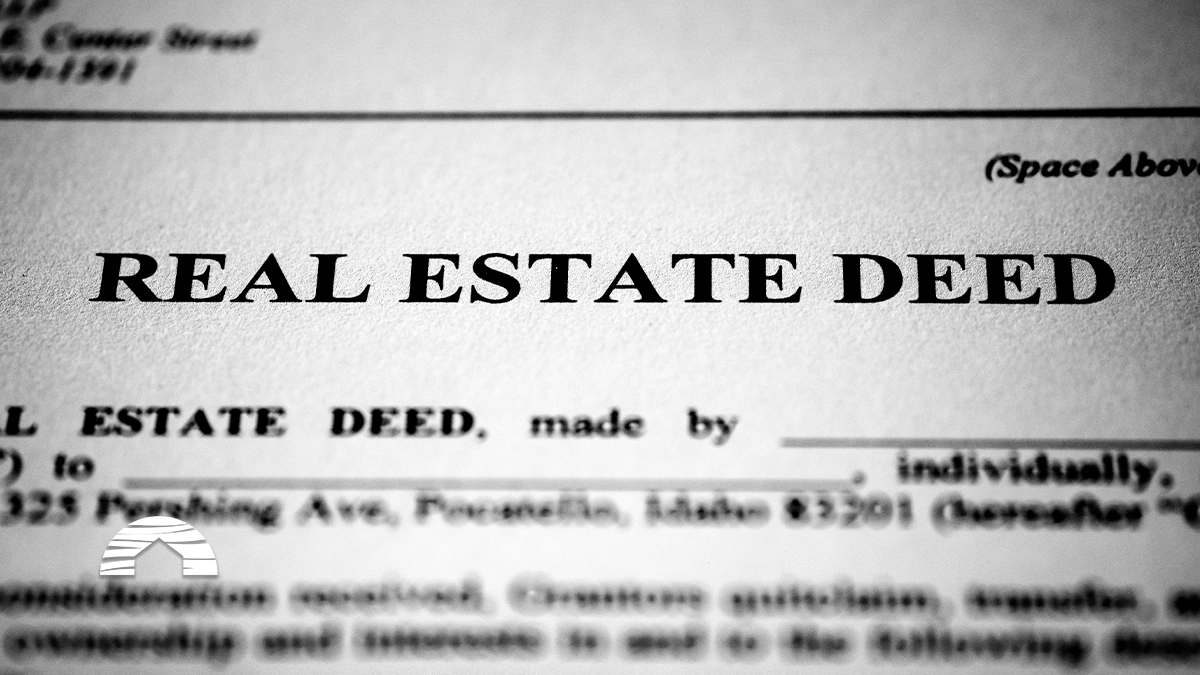
A deeded timeshare is a fractional real estate interest backed by a legally recorded deed. It gives you the right to use the property, sell it, rent it, or leave it to your heirs. That’s very different from a right-to-use contract, which grants resort access without legal title. If you’re exploring the resale market, knowing which structure you’re buying matters most. This guide covers what deeded ownership means in practice, what it costs, what types are available, and how to buy safely through a licensed brokerage.
- What Is a Deeded Timeshare?
- Deeded Timeshare vs. Right-to-Use: What's the Difference?
- What Types of Deeded Timeshares Can You Buy on the Resale Market?
- What Costs Should You Expect as a Deeded Timeshare Owner?
- How to Buy a Deeded Timeshare on the Resale Market
- Common Mistakes to Avoid When Buying a Deeded Timeshare Resale
- Why Work With a Licensed Resale Brokerage?
- Deeded Timeshare: Frequently Asked Questions
- Ready to Find the Right Deeded Timeshare?
What Is a Deeded Timeshare?

A deeded timeshare means your ownership interest is recorded with the local government, just as a traditional home purchase is. That deed confirms your legal right to use the property during your allotted time. It also makes your ownership transferable.
Here’s what that deed gives you:
- A legal ownership interest in real property
- The right to sell, rent, gift, or leave your ownership to heirs
- Perpetual ownership (unless the contract specifies otherwise)
- Responsibility for annual maintenance fees and, in some cases, property taxes
One important clarification: deeded ownership is fractional. You own a share of usage, not the entire property. Other owners hold separate interests across different time periods. Your maintenance fee obligation runs with the deed every year, whether or not you use the property.
Deeded Timeshare vs. Right-to-Use: What’s the Difference?

The distinction between deeded and right-to-use (RTU) ownership is one of the most important things a resale buyer can understand.
| Deeded vs Right-to-Use | Deeded Timeshare | Right-to-Use (RTU) |
|---|---|---|
| Ownership type | Real property interest | Contractual use right |
| Deed recorded? | Yes | No |
| Can you sell or transfer? | Yes | Often limited or not permitted |
| Can you will it to heirs? | Yes | Rarely |
| How long does it last? | Perpetual (typically) | Fixed term (often 20–40 years) |
| Property taxes | May apply separately, or built into fees depending on ownership structure | Typically built into fees; not separately assessed |
| Maintenance fees | Yes | Yes |
Neither structure is automatically better. The right choice depends on how long you plan to own, whether resale flexibility matters, and whether passing ownership to family is a priority. Before signing anything on the secondary market, confirm which structure you’re actually purchasing.
What Types of Deeded Timeshares Can You Buy on the Resale Market?
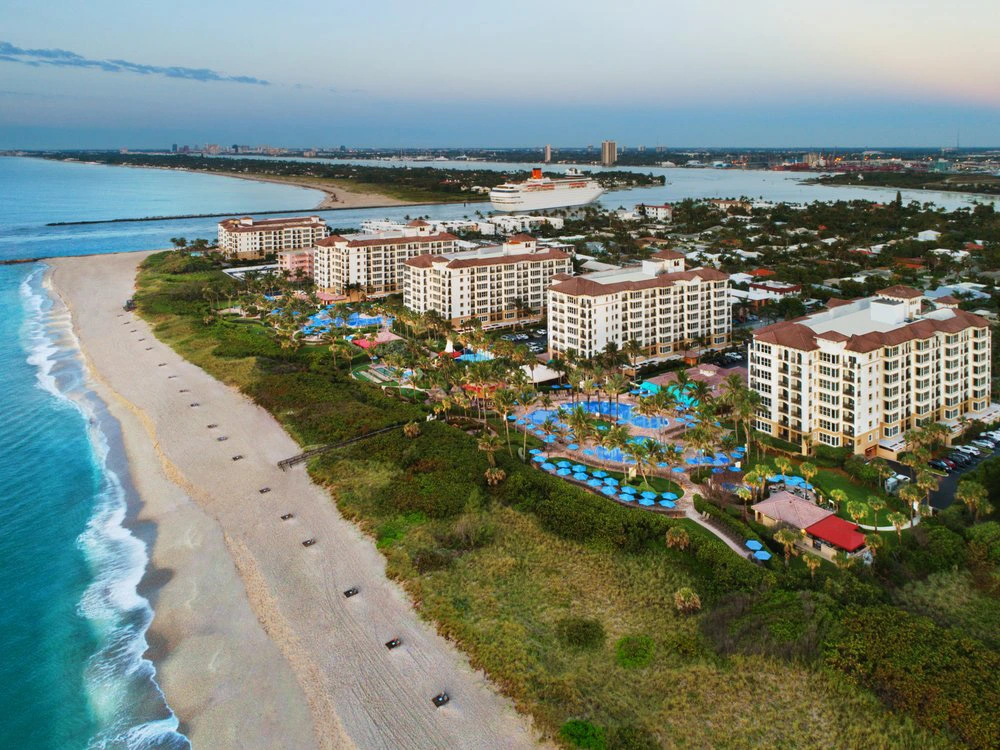
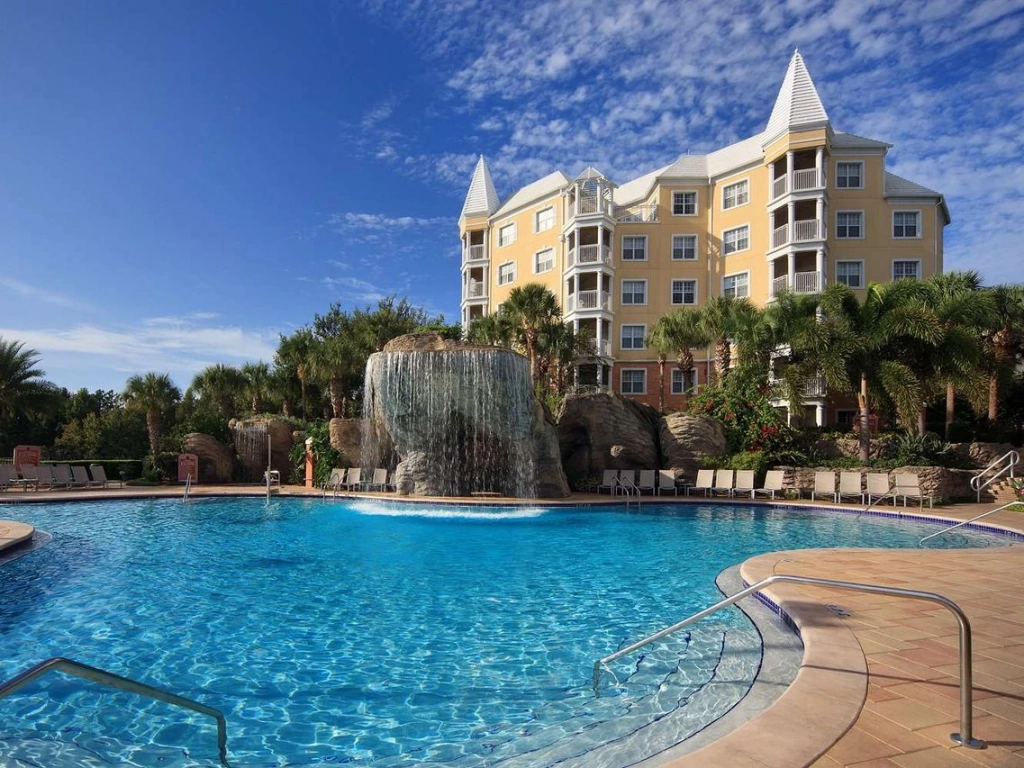
The resale market offers several ownership structures. Each comes with different implications for flexibility, ongoing costs, and future transferability.
- Fixed-Week: You own the same unit during the same week every year. Predictable, but inflexible. Works well for travelers with consistent schedules.
- Floating-Week: You own within a defined season and reserve your specific week annually, subject to availability. Booking conflicts are a common frustration.
- Points-Based (Trust-Held): A deeded interest in a vacation ownership trust (such as Disney Vacation Club, Hilton Grand Vacations, or Marriott Vacation Club). Points offer flexibility across a resort network, though peak-season availability can be competitive.
- Fractional Ownership: A larger share of usage, typically 4–13 weeks per year, at a higher purchase price. The resale process tends to be more involved.
The ownership type you choose shapes day-to-day booking flexibility and how easy it is to sell or transfer later.
What Costs Should You Expect as a Deeded Timeshare Owner?
Understanding your full cost picture before committing is the clearest way to buy with confidence. The purchase price is only part of the equation; annual maintenance fees are ongoing and tend to grow year over year, which means they often matter more to your long-term budget than what you paid upfront.
Purchase Price
Resale purchases are typically available at a meaningful discount compared to buying directly from a developer. Developer pricing includes substantial sales and marketing costs. The secondary market does not carry those.
Annual Maintenance Fees
These are ongoing, perpetual, and mandatory. They cover resort operations, staffing, upkeep, and renovations. Fees vary by resort, ownership type, and location, and they tend to increase year over year. Industry figures vary widely depending on the resort and ownership type, so treat any general number as a rough reference point only. Always request the current fee schedule for any specific contract before committing.
Special Assessments
These are one-time charges for major repairs, capital projects, or unexpected expenses. They can arise with little notice. Ask about a resort’s assessment history before purchasing.
Closing and Transfer Costs
Resale transactions typically involve closing costs, title transfer fees, and deed recording fees. These vary by state and transaction. Factor them into your overall budget. Your broker or title company can provide an estimate early in the process.
How to Buy a Deeded Timeshare on the Resale Market


Step 1: Define What You’re Looking For
Consider how often you travel, where you prefer to go, and what annual fees you can sustain long-term. Use those answers to match yourself to the right ownership type.
Step 2: Research Resale Listings and Pricing
Review active listings and recently closed transactions, not just asking prices. A licensed resale broker can give you a realistic picture of current market pricing.
Step 3: Check for the Right of First Refusal (ROFR)
Some developers retain the right to step in and purchase a resale contract at the agreed buyer-seller price. This typically must happen within around 30 days. Confirm whether ROFR applies before moving forward.
Step 4: Work With a Licensed Resale Broker
Use a licensed real estate brokerage. A legitimate broker charges no upfront fees. They earn a commission only when the transaction closes, never before.
Step 5: Review the Agreement and Request an Estoppel Letter
An estoppel letter confirms any outstanding dues, taxes, or special assessments tied to the contract. It’s a useful protection in many resale transactions. Some states may require it as part of closing. Before you sign, verify the current maintenance fee amount, any unpaid balances, pending special assessments, and any transfer requirements specific to the resort or brand. Have a licensed professional review all documents first.
Step 6: Close Through a Reputable Title Company
The title company handles the deed transfer and records it with the appropriate county. They confirm your name is on the deed. Work only with vetted, trusted title companies.
Common Mistakes to Avoid When Buying a Deeded Timeshare Resale
- Underestimating maintenance fee growth. Annual fees tend to increase over time. Factor that trajectory into your long-term budget before committing.
- Overlooking special assessments. Ask about the resort’s assessment history. These charges can arrive without much warning.
- Skipping the ROFR check. If a developer exercises its Right of First Refusal, the sale is redirected. Know whether ROFR applies before entering any agreement.
- Working with unlicensed third parties. Some companies charge large upfront fees and make guarantees they cannot keep. Always verify credentials through ARDA before engaging anyone.
- Buying without a clear usage plan. Annual fees continue whether or not you travel. Deeded ownership works best for buyers with consistent, predictable vacation habits.
Why Work With a Licensed Resale Brokerage?
Buying a deeded timeshare resale without professional support leaves you exposed to risks that are largely avoidable. Unclear contract terms, undisclosed outstanding dues, and deed transfer complications are among the most common issues buyers face when going it alone. A licensed resale brokerage helps reduce that exposure; every agent operates under state regulatory oversight and is held to established industry standards. Before you sign anything, your broker will review the purchase agreement, identify any unpaid fees or pending special assessments tied to the contract, and coordinate directly with a title company to help ensure the deed transfer is recorded accurately in your name.

Timeshare Broker Associates is a full-service licensed real estate brokerage specializing in deeded timeshare resales. Since 2000, the team has closed thousands of resale transactions across Disney Vacation Club, Wyndham, Hilton, Marriott, and more, building deep, hands-on experience in the secondary market over more than two decades. Every buyer works directly with a licensed real estate professional who handles these transactions day in and day out. Here’s what that means for you:
- Licensed and Regulated: Timeshare Broker Associates is a member of ARDA and the National Association of Realtors. Every transaction is handled by a licensed real estate professional operating under state regulatory oversight, a standard of accountability that unlicensed third parties are not required to meet.
- Broad Brand Experience: The team has extensive experience closing resale contracts across the industry’s leading programs, including Disney Vacation Club, Wyndham Destinations, Hilton Grand Vacations, Marriott Vacation Club, Holiday Inn Club Vacations, and more. That depth of brand familiarity supports smoother, more predictable closings.
- No Upfront Fees: A commission is earned only when your transaction successfully closes. You won’t be asked to pay anything before that point. That structure keeps the team’s focus where it belongs: on getting your deal done right.
- Support Throughout the Process: From identifying the right resale listing and reviewing your purchase agreement, to coordinating with a title company and confirming the deed is recorded in your name. Every step is handled with professional care and attention to detail.
Deeded Timeshare: Frequently Asked Questions
Ready to Find the Right Deeded Timeshare?
A deeded timeshare gives you legal title, the ability to sell or transfer ownership, and the option to pass it to your heirs. These are rights that right-to-use contracts simply don’t provide. Buying on the resale market often means paying a lower price than buying directly from a developer, without the high-pressure developer presentation. But the difference between a smart purchase and a costly one comes down to preparation: knowing exactly which ownership type fits your lifestyle, understanding every fee before you commit, and having a licensed resale brokerage in your corner to catch issues before they become problems.
Ready to take the next step? Browse current deeded timeshare resale listings on the Timeshare Broker Associates website and find the right fit for your travel lifestyle. Prefer to talk it through first? Call a licensed agent directly at (407) 917-8432. They’ll walk you through your options, help you ask the right questions, and guide you forward with confidence.